Learn DevOps and cloud online
DevOps & Cloud
4 topics under this pillar
DevOps and cloud is the pillar for everything that happens after the code compiles: packaging it, shipping it, running it on someone else's computers, and keeping it up when traffic spikes at 3 a.m. It covers the cloud platforms, the container and orchestration layer, the pipelines that move code to production, and the system design thinking that decides how all of those pieces fit together.
Most backend and full-stack roles now expect some of this work. A team of five rarely has a dedicated platform engineer, so the developer who can write a Dockerfile, read a Terraform plan, and explain why the database is the bottleneck becomes the one people go to. At larger companies the same skills grow into full roles: DevOps engineer, site reliability engineer, platform engineer, cloud architect. The tools change every few years. The ideas underneath them (immutable builds, declarative infrastructure, observability, failure as a normal event) have stayed the same for a decade.
What you'll find under this pillar
- DevOps and CI/CD: Docker, pipelines, GitHub Actions and GitLab CI, Terraform and Ansible, Linux for operators
- AWS and cloud platforms: core services, networking, IAM, serverless, and the AWS certification tracks
- Kubernetes and cloud native: clusters, Helm, service meshes, operators, and running stateful workloads
- System design: scaling, caching, queues, consistency trade-offs, and the interview format built around them
The order on this page follows how people usually learn it. DevOps basics come first because containers and pipelines are what you touch on day one of almost any job. AWS is next: it is still the platform most job descriptions name, and its certifications give a structured syllabus if you want one. Kubernetes follows once you are comfortable with containers, since it only makes sense when you have more than a handful of services to run. System design closes the pillar because it ties the rest together, and because it is the round that decides most senior backend interviews.
If you are preparing for a specific goal, pick the topic that matches it and work through two or three courses in order rather than sampling ten. An AWS associate exam, a first production Kubernetes cluster, or a system design interview loop each takes a few focused weeks. The Featured courses rail below ranks the best-rated picks across all four topics, so you can start with a short one and commit to a longer track once you know where you are heading.
Browse by topic(4)
Featured devops & cloud courses
 FreeClassic
The System Design Masterclass
 FreeUpdated 3y ago
Clean Code
 Classic
React: Intermediate Topics
 Classic
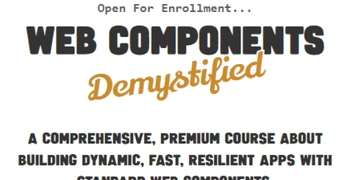
Web Components Demystified
 Classic
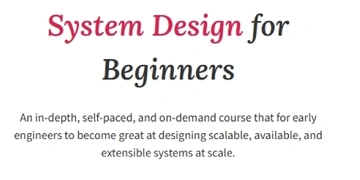
System Design for Beginners
 FreeClassic
Docker and Kubernetes - The Complete Developers Guide
 Classic
DevOps Deployment Automation with Terraform, AWS and Docker
 Classic
DevOps Bootcamp: Learn Linux & Become a Linux Sysadmin
 Classic
Docker and Kubernetes: The Complete Guide
 Updated 5mo ago
AI Voice Agents with AWS
 Updated 6mo ago
5 AWS Projects to Become an AI/ML Engineer
 Updated 7mo ago
5 AWS Projects to Become a Cloud Engineer
Frequently asked questions
- Should I learn DevOps or cloud first?
- Start with the DevOps basics: Linux on the command line, Git, Docker, and one CI pipeline that builds and tests a small app. Those skills carry to every cloud provider. Once a container runs locally and in CI, pick one cloud platform and deploy that same app to it. AWS is the most common choice because it appears in the most job descriptions, but the concepts (compute, storage, networking, identity) transfer to Azure and Google Cloud with a few weeks of adjustment.
- Is an AWS certification worth it?
- It helps most when you are switching into cloud work or applying to companies that sell AWS services, because it gives recruiters a quick signal and gives you a structured syllabus. It helps less if you already run production systems on AWS, where your experience speaks louder. The Solutions Architect Associate is the usual first exam. Plan a few weeks of study with a course plus practice tests, and build at least one small project so the answers come from experience rather than memory.
- Do I need Kubernetes for my job?
- Only if you run many services or work on a platform team. Plenty of companies ship happily on managed containers or serverless and never touch a cluster directly. If your company already runs Kubernetes, learning to read manifests, debug a failing pod, and understand Services and Ingress pays off quickly. If it does not, learn Docker and one managed container service first, and come back to Kubernetes when the number of services makes it worth the complexity.
- How do I prepare for a system design interview?
- Learn a small set of building blocks well (load balancers, caches, databases and their replication, queues, and object storage), then practise putting them together on common prompts such as a URL shortener, a news feed, or a chat system. Say your assumptions and numbers out loud, because interviewers grade the reasoning more than the final diagram. Most people need a few weeks of regular practice, ideally with mock interviews where someone pushes back on the trade-offs.
- What is the difference between DevOps, SRE and platform engineering?
- DevOps is the broad practice of developers and operations sharing responsibility for shipping and running software. Site reliability engineering is a specific way of doing operations with software, built around error budgets, service level objectives and automation. Platform engineering builds internal tools and paved roads so product teams can deploy without becoming infrastructure experts. The skills overlap heavily, and job titles vary between companies, so read the responsibilities rather than the title.
- Can I learn DevOps without a backend background?
- Yes, but it goes faster if you can read code in at least one language, because pipelines, infrastructure as code and debugging all involve reading other people's programs. A practical route is to learn enough Python or Go to write small scripts, then move into Linux, Docker and CI. Many people come into DevOps from system administration or support roles and pick up the coding side along the way.