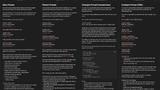
This course shows you how to audit your code using clear steps and simple tools. You learn how to check your project after big changes, find issues fast, and keep your code easy to work with.
Why Code Audits Matter
You add new features. You refactor. Your project grows. Over time, small issues build up. Code audits help you spot these issues early and fix them before they slow you down.
These checks look at the code itself. They are not about the user interface. They help you clean up unused parts, remove weak patterns, and update old ideas.
What You Learn
The course walks you through several audit types. Each one looks at a clear part of your codebase. You learn how to run each audit, read the report, and plan your next steps.
Audit Types
- Drift: Finds code that no longer matches current needs.
- Abstractions: Spots layers that add no value.
- Idiomatic: Checks if your code follows common style rules.
- Boundaries: Reviews module and system limits.
- Dead Code: Finds code that nothing uses.
- Errors: Highlights risky or weak error handling.
- Names: Reviews names that confuse more than they help.
How You Use the Reports
You start by running the audits. Then you read the reports to see what needs work. Your next step is to build a clear fix plan. Keep it small and focused.
You review the plan, make changes, and check your work. This cycle helps you keep your project clean and easy to grow.
What You Gain
You learn to see patterns that slow you down. You learn to remove code that no longer has a purpose. You learn to keep your project simple and strong as it grows.