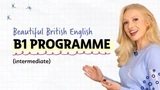
The Professional English Programme Level 1 (B1 Intermediate)
0h 0m 0s
English
Paid
Added to CourseFlix
The Professional English Programme Level 1 (B1 Intermediate) is a 66-lesson self-paced course by English with Lucy (Lucy Bella Earl). The Professional English Programme Level 1 helps you build B1 Intermediate English for work.
Course facts
Lessons
66
Language
English
Added to CourseFlix
October 2026
Instructor
English with Lucy (Lucy Bella Earl)
Price
Premium
The Professional English Programme Level 1 helps you build B1 Intermediate English for work.You will practise speaking, listening, reading, and writing in clear workplace situations. The course is for learners who want to speak with more confidence in meetings, interviews, and daily tasks.
Who This Course Helps
This course is a good fit if you already know basic English but feel blocked at work. You may understand lessons or videos, but struggle when people speak fast.
You feel nervous when you need to answer in English.
You stay quiet in meetings because you fear mistakes.
You need better English for job interviews or career growth.
You want to write clearer emails, messages, and work documents.
You want to move from A2 toward B1 on the CEFR scale.
What You Will Learn
Workplace Speaking
You will practise real conversations from professional life. These include meetings, team updates, interviews, and short presentations.
Share your ideas in a clear way.
Answer questions with more confidence.
Keep a conversation going at work.
Use polite and professional phrases.
Listening At Work
You will train your ear for natural English. You will practise common accents, faster speech, and everyday workplace phrases.
Follow team discussions more easily.
Understand key points in meetings.
Catch useful details in work conversations.
React with the right questions or answers.
Professional Writing
You will learn to write short, clear, and useful texts for work. The focus is on language you can use right away.
Professional emails and workplace messages.
CVs and cover letters.
Answers to interview questions.
Clear notes, updates, and requests.
Core English Skills
The course builds the main skills you need for B1 Intermediate English. Each skill links to real work tasks.
Listening: Understand natural English in common work situations.
Speaking: Talk about your work, ideas, plans, and problems.
Reading: Read emails, job posts, instructions, and short work texts.
Writing: Write clear messages, answers, and simple documents.
Grammar: Use key structures with fewer mistakes.
Vocabulary: Learn useful words and phrases for professional English.
Pronunciation: Speak more clearly so people understand you.
Course Practice
You will not only study rules. You will use English in tasks that match real work life.
Job interview practice.
Meeting role plays.
Team briefing tasks.
Short presentation practice.
Email and message writing.
Vocabulary tasks for business topics.
By The End
By the end of the course, you should feel more ready to use English at work. You will have stronger B1 skills and more control in common professional situations.
You can take part in simple work discussions.
You can explain ideas, tasks, and opinions more clearly.
You can write more professional emails and messages.
You can prepare stronger answers for job interviews.
You can use workplace vocabulary with more confidence.
Start Learning
If you want practical B1 English for work, this course gives you a clear path. You will practise step by step and build language you can use in real situations.
English with Lucy is the YouTube channel and paid-course platform of Lucy Bella Earl, a UK-based English-language teacher whose channel is one of the largest dedicated ESL instruction sources online — with millions of subscribers across her free YouTube content and a structured paid course catalog focused specifically on British English pronunciation and fluency.
Her CourseFlix listing carries three English with Lucy courses across Common European Framework levels: Beautiful British English B1, Beautiful British English B2 (Upper Intermediate), and C1 Beautiful British English. The progression takes intermediate learners through to advanced fluency with a focus on the British accent and the cultural nuances that come with it.
Material is paid and aimed at intermediate-and-up English learners. For broader language content on CourseFlix, see the English language category page where this course sits alongside English4IT and Speak Tech English on the developer-focused side.
What lessons are included in The Professional English Programme Level 1 (B1 Intermediate)?
This is a demo lesson (10:00 remaining)
Watch the first 10 minutes free. One payment unlocks all 66 lessons here and every other premium course. No auto-renew.
Course "Beautiful British English B1" is a 12-week program designed to take your English to a new level.
7h 43m5/5
Frequently asked questions
How much English should I know before starting?
You'll need some basic English already. The course is aimed at learners moving from A2 toward B1, so it's not a starting point for learning English from scratch. If you can understand simple English but struggle to find words or put sentences together at work, you're closer to the intended level. You'll work on grammar as well as workplace communication, rather than relying only on memorised phrases.
Will this help if I understand English but go quiet in meetings?
Yes, that difficulty is one of the situations the course is designed for. You'll practise sharing ideas, answering questions and keeping workplace conversations going. Listening work also addresses faster speech and common accents, which matters if you lose track before you get a chance to respond. The aim is to help you participate more confidently, though that doesn't mean you need to stop making mistakes before you speak.
What kind of writing will I actually practise?
You'll practise practical work-related writing, including CVs, cover letters, reports and emails. For example, there's a section on asking for an update by email, as well as work on writing an apology. You'll also practise describing figures and trends, which is useful when you need to explain information rather than just exchange messages. The emphasis is on making your writing clear and useful in professional situations.
Is this mostly business phrases, or will I work on grammar too?
You'll work on both. Workplace vocabulary sits alongside grammar such as tenses, modal verbs, conditionals and reported speech. Pronunciation also gets attention, including sentence stress and intonation, so the focus isn't only on choosing the right words. If you're looking for more than a collection of polite expressions to memorise, the course combines language fundamentals with situations where you'd use them at work.
Is this the right choice for advanced or very specialised business English?
The course is positioned at B1 intermediate level, with everyday professional communication as its focus. Expect situations such as interviews, team discussions, calls and dealing with clients, rather than language tailored to one profession. If you need advanced English for highly technical or specialist work, don't assume this will meet that need. It's better suited to building the general language you need to handle common workplace situations.
How much time should I set aside for it?
There are 66 lessons, but a total runtime isn't provided, so there's no reliable hour estimate or completion schedule to give you. When planning your study time, allow room to practise speaking and writing as well as work through the lessons. You could organise your study around a current need, such as preparing for an interview, but the available information doesn't establish how long any section will take.
Will any of this be useful outside work?
Yes. Although the situations are professional, much of the language isn't limited to the workplace. Forming questions, explaining past events, talking about future plans and understanding natural speech are useful in everyday conversations too. Work on pronunciation, word stress and intonation can also support clearer communication beyond your job. You'll practise these skills through work-related examples, rather than through a course centred on travel or social English.