Pixologic ZBrush is a digital sculpting tool that combines 3D/2.5D modeling, texturing and painting. It uses a proprietary "pixol" technology which stores lighting, color, material, orientation and depth information for the points making up all objects on the screen. The main difference between ZBrush and more traditional modeling packages is that it is more akin to traditional sculpting.
ZBrush is used for creating "high-resolution" models (able to reach 40+ million polygons) for use in movies, games, and animations, by companies ranging from ILM and Weta Digital, to Epic Games and Electronic Arts. ZBrush uses dynamic levels of resolution to allow sculptors to make global or local changes to their models. ZBrush is most known for being able to sculpt medium- to high-frequency details that were traditionally painted in bump maps. The resulting mesh details can then be exported as normal maps to be used on a low poly version of that same model. They can also be exported as a displacement map, although, in that case, the lower poly version generally requires more resolution. Or, once completed, the 3D model can be projected onto the background, becoming a 2.5D image (upon which further effects can be applied). Work can then begin on another 3D model which can be used in the same scene. This feature lets users work within complicated scenes without a heavy processor overhead.

ZBrush courses
2 coursesAdded March 2026
Part of Game Development · Top 10 Game Development courses for 2026
ZBrush Courses & Tutorials (2)
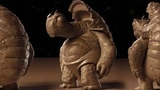 Updated 3y agoLearn how to create amazing 3d sculpts, using industry's top digital software- Zbrush!31h 37m
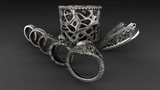 FreeUpdated 3y agoDesigned for All levels this course gives you the tools, tips and tricks to create stunning Jewelery we even show how to upload to Shapeways and check its.10h 2m
Frequently asked questions
- What prerequisites should I have before taking a ZBrush course?
- Before diving into the ZBrush courses, it is beneficial to have a basic understanding of 3D modeling and digital sculpting concepts. Familiarity with any 3D software, like Blender or Maya, can be helpful, although not strictly necessary. Basic knowledge of artistic principles, such as anatomy and design, will also aid in your learning process.
- What can I create after learning ZBrush?
- After mastering ZBrush, you will be able to create high-resolution 3D models for various applications such as movies, games, and animations. You can design detailed characters, environments, and objects, exporting them as normal or displacement maps. The skills you gain can be applied to industries ranging from film production to video game development.
- What job roles commonly require proficiency in ZBrush?
- Proficiency in ZBrush is essential for roles such as 3D Modeler, Character Artist, Digital Sculptor, and Texture Artist. These roles are prevalent in industries like film, animation, and video game development, where creating detailed and realistic 3D models is crucial.
- Are there free ZBrush courses available, or are they all paid?
- CourseFlix offers a mix of both free and paid ZBrush courses. While free courses can provide a foundational understanding, paid courses typically offer more comprehensive content, covering advanced techniques and providing project-based learning experiences that are valuable for career development.
- Is ZBrush suitable for beginners, or is it aimed at advanced users?
- The ZBrush courses are designed to cater to both beginners and more advanced users. Beginners can start with foundational courses like 'Sculpting in Zbrush' to get acquainted with the basic tools and concepts, while advanced users can explore courses such as 'Jewelery Design in ZBrush 2018' to refine their skills and tackle more complex projects.