CF

Life Lessons from the Great Books

18h 12m 10s
English
Paid

Life Lessons from the Great Books is a 36-lesson 18 hours 12 minutes self-paced course by Dr. J. Rufus Fears, Wondrium (The Great Courses). This course shows you how classic stories can guide you through real life.

Course facts

Lessons
36
Duration
18 hours 12 minutes
Level
All levels
Language
English
Updated
Instructor
Dr. J. Rufus Fears, Wondrium (The Great Courses)
Price
Premium

This course shows you how classic stories can guide you through real life. You see how old works still speak to your choices, fears, and hopes today.

What You Learn

You explore well-known books from Western history. Each book shows a clear view of human nature. You discover how these stories deal with loss, duty, power, hope, and daily life.

The lessons are simple to follow. You read a scene. You study the person in it. Then you link that moment to a problem you face now.

Why These Books Matter

Many readers turn to these works in hard times. They find help in the steady voice of each story. You will see how writers across centuries ask the same questions you ask today.

From the Odyssey to Hamlet to Animal Farm, each book offers a clear message. Some show you how to stay calm in chaos. Others remind you to enjoy quiet, small moments.

How the Course Works

The course has 36 short lectures. Each lecture gives you a scene, the history around it, and the lesson you can use. The goal is not to judge the books. The goal is to draw help from them in a direct way.

By the end, you see how these old works still speak to modern life. You gain tools to think, choose, and act with more care.

Who teaches Life Lessons from the Great Books?

Dr. J. Rufus Fears

Dr. J. Rufus Fears thumbnail

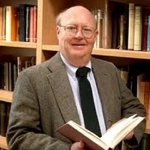
Dr. J. Rufus Fears (1945-2012) was a US classics professor (University of Oklahoma), a renowned lecturer on classical history, philosophy, and the great books of the Western tradition. His lecture series for The Great Courses / Wondrium are among the most highly-regarded liberal-arts lecture sets ever recorded.

His CourseFlix listing carries Life Lessons from the Great Books — a comprehensive lecture series drawing practical and ethical lessons from the major works of the Western literary tradition (the Bible, Homer, Plato, Shakespeare, and others).

Material is paid and aimed at general adult learners interested in classical literature and philosophy. The course sits in the broader Non-Tech catalog on CourseFlix as a general-interest reference.

Wondrium (The Great Courses)

Wondrium (The Great Courses) thumbnail

Wondrium (formerly The Great Courses Plus and originally The Great Courses) is a US online education platform that has been publishing university-level video lecture series since 1990. The platform's distinctive contribution is the depth and production quality of its courses — each is taught by a tenured university professor with the production values of a documentary series, not a YouTube tutorial.

The catalog covers academic disciplines rather than technical-skill training: history, philosophy, science, mathematics, literature, music theory, religion, economics. Material is taught by faculty from Stanford, Yale, Princeton, the University of Chicago, MIT, and similar institutions. Wondrium is typically used by intellectually-curious adult learners filling in the liberal-arts side of their education.

The CourseFlix listing under this source carries over 19 Wondrium / Great Courses titles spanning that range — sitting in the broader CourseFlix catalog as general-interest reference rather than as a software-engineering track. Material is paid; Wondrium itself runs on a monthly / annual subscription on the original platform.

What lessons are included in Life Lessons from the Great Books?

This is a demo lesson (10:00 remaining)

You can watch up to 10 minutes for free. Subscribe to unlock all 36 lessons in this course and access 10,000+ hours of premium content across all courses.

View Pricing
0:00
/
#1: 1 Seneca - 'On Providence'
All Course Lessons (36)
#Lesson TitleDurationAccess
1
1 Seneca - 'On Providence' Demo
31:49
2
2 The Gospel of John
30:11
3
3 Boethius, Martin Luther King - Conscience
30:18
4
4 Dostoevsky - The Brothers Karamazov
30:16
5
5 Elie Wiesel - Night
30:18
6
6 Schweitzer - Out of my life and thought
30:23
7
7 Goethe - The suffering of young werther
30:14
8
8 Shakespeare - Hamlet
30:25
9
9 Sophocles - Ajax
30:07
10
10 Plato - Epistle VII
30:11
11
11 Cicero - 'On old age'
30:24
12
12 Isaac Bashevis Singer - The Penitent
30:10
13
13 Euripides - Alcestis
30:10
14
14 Euripides - Medea
30:15
15
15 Von Strasburg - Tristan and Isolde
29:58
16
16 Shakespeare- Antony and Cleopatra
30:22
17
17 Shakespeare - Macbeth
30:08
18
18 Aldous Huxley-Brave New World
30:14
19
19 Homer - Odyssey
30:14
20
20 Sophocles - Philoctetes
29:20
21
21 The Song of Roland - Chivalric Adventure
30:07
22
22 Nibelungenlied - Chivalric Romance
30:26
23
23 Lewis and Clark - Journals
30:19
24
24 T.E. Lawrence - Seven Pillars of Wisdom
30:33
25
25 Aristophanes - Comedies
30:17
26
26 Menander - The Grouch
30:06
27
27 Machiavelli - La Mandragola
30:05
28
28 Erasmus - In Praise of Folly
30:07
29
29 Thomas More - Utopia
30:19
30
30 George Orwell - Animal Farm
30:04
31
31 Josephus - History of the Jewish War
30:13
32
32 Joseph Addison - Cato
30:24
33
33 George Washington - Farewell Address
30:31
34
34 Abraham Lincoln, George Patton - War
30:14
35
35 Theodore Roosevelt - An Autobiography
30:31
36
36 The Wisdom of Great Books
32:27
Unlock unlimited learning

Get instant access to all 35 lessons in this course, plus thousands of other premium courses. One subscription, unlimited knowledge.

Learn more about subscription

Books

Read Book Life Lessons from the Great Books

#TitleTypeOpen
1Life Lessons from the Great Books PDF

What courses are similar to Life Lessons from the Great Books?

Frequently asked questions

What are the prerequisites for enrolling in this course?
There are no formal prerequisites for this course. However, a general interest in literature and history will be beneficial. The course involves exploring classic works from Western history, so familiarity with basic literary analysis may enhance your understanding.
What kind of projects or exercises will I complete in this course?
The course does not include traditional projects or assignments. Instead, each lecture involves reading a scene from a classic book, studying the characters, and linking the lessons to contemporary issues. The focus is on personal reflection rather than formal assessments.
Who would benefit most from taking this course?
This course is ideal for individuals interested in literature, history, and philosophy. It appeals to those seeking to draw life lessons from classic literature and apply them to modern-day challenges. It is also suitable for anyone who enjoys exploring human nature through storytelling.
How does the depth of this course compare to other literature courses?
Unlike traditional literature courses that focus on literary critique, this course emphasizes drawing practical life lessons from classic works. It consists of 36 short lectures that highlight the relevance of these stories to modern life, focusing on themes like duty, hope, and human nature.
What specific books or authors are covered in the course?
The course covers a variety of classic works, including Seneca's 'On Providence', Shakespeare's 'Hamlet', Orwell's 'Animal Farm', and Homer's 'Odyssey'. Other authors and works include Dostoevsky, Elie Wiesel, Aldous Huxley, and T.E. Lawrence, offering a broad spectrum of historical and thematic contexts.
What topics are not covered in this course?
The course does not focus on in-depth literary analysis or critiques. It also does not cover non-Western literature or contemporary works, as its focus is on classical Western texts and their timeless lessons.
How much time should I expect to dedicate to this course?
The course consists of 36 short lectures. While the total runtime is not specified, you should expect to spend time reading the recommended scenes and reflecting on their lessons in addition to watching the lectures. A moderate time commitment is suggested to fully engage with the material.